How Browsing Across Categories Quietly Turns You Into a Smarter, More Confident Shopper
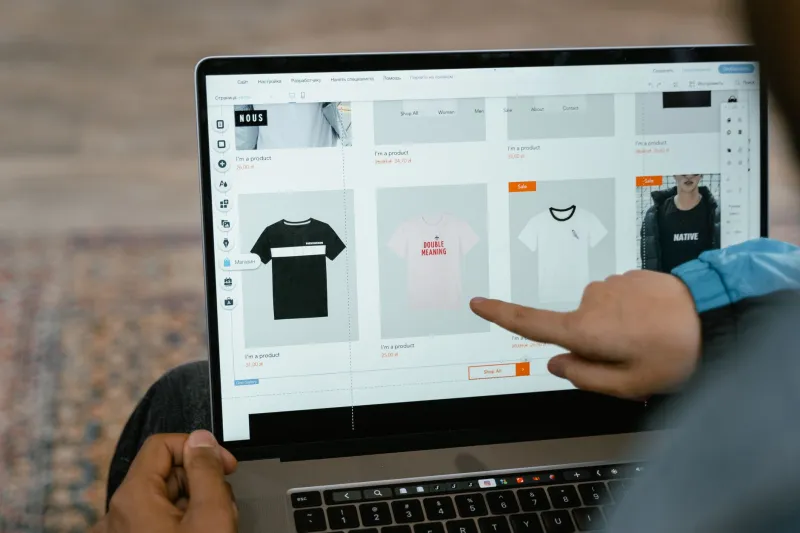
Most of us have been there. You log on to grab one specific thing—maybe a new shower curtain liner or a replacement phone charger—and somehow, forty-five minutes later, you've browsed through camping gear, read three product descriptions for stand mixers, and bookmarked a pair of sneakers you weren't even looking for. It feels like a time warp. But here's the thing: that wandering wasn't wasted. It was actually doing something pretty useful for your brain.
Shopping across wildly different product categories in a single session—the kind of thing you do almost automatically on a big all-in-one marketplace—turns out to be a surprisingly effective way to sharpen your instincts as a buyer. Researchers and consumer psychologists have been digging into this for years, and what they've found is genuinely interesting for anyone who spends time online shopping.
The Mental Reps You're Getting Without Realizing It
Think of it like cross-training for your purchasing brain. When you evaluate a $35 kitchen gadget, you're running through a quick mental checklist: Do I actually need this? Is the price fair? Are the reviews solid? Does it solve a real problem I have?
Now you scroll down and see a $40 hoodie. Same checklist, totally different product. Then a $32 set of LED desk lamps. Same checklist, again.
What's happening is a form of cognitive repetition. Each time you apply that evaluative framework to a new category, you're strengthening it. You get faster, more automatic, and more accurate at filtering out the stuff that doesn't actually deserve your money. Buyer's remorse—that sinking feeling after a purchase you didn't really think through—tends to happen when we make decisions in a vacuum or under pressure. Mixed-category browsing is kind of the antidote to that, because it gives you low-stakes practice at making judgment calls constantly.
Why Contrast Is Actually Your Friend
Here's where it gets a little counterintuitive. You might assume that bouncing between kitchen tools and fashion items and tech accessories would make you more scattered or impulsive. But the contrast between categories actually does the opposite—it creates mental anchors.
When you've just compared three different sets of mixing bowls and thought hard about what makes one worth buying over another, you carry that analytical mindset into the next section of the site. You're already in evaluation mode. The contrast between categories keeps that mode active, rather than letting you coast on autopilot.
This is part of why dedicated single-category stores can sometimes feel more stressful than they should. When every option is essentially the same type of product, comparison fatigue sets in fast. But when you're moving between categories, your brain gets natural mental breaks while still staying engaged. You're refreshed enough to think clearly, but primed enough to evaluate well.
The Confidence Effect: Making Peace With Your Cart
One of the most underrated benefits of mixed-category shopping is what it does for post-purchase confidence. That's the feeling that you made a good call—not just in the moment, but a week later when you're actually using what you bought.
Consumer research has consistently shown that people who deliberate more carefully before buying report higher satisfaction with their purchases afterward. And deliberation doesn't have to mean agonizing. It just means engaging your critical thinking, even briefly.
When you browse a mixed marketplace and actively compare value across totally different product types, you're doing that kind of deliberation naturally. You start to develop a personal sense of what "worth it" looks like at different price points, across different categories. That internal calibration makes future decisions easier and more confident—not because you're spending more time thinking, but because you've trained yourself to think more efficiently.
The Bazaar Mentality, Updated for the Digital Age
There's actually a long cultural history here worth noting. Traditional bazaars—the kind you'd find throughout the Middle East, South Asia, and parts of Africa—have always mixed product categories intentionally. Spices next to textiles next to metalwork next to food. The idea wasn't just convenience; it was about creating a rich sensory and evaluative environment where shoppers could compare, contrast, and ultimately feel confident in their choices.
Modern all-in-one online marketplaces are, in a very real sense, the digital evolution of that model. The chaotic variety isn't a design flaw. It's a feature—one that reflects how people actually shop when they're given the freedom to do so naturally.
American consumers have been quick to embrace this model, partly because it mirrors how we already navigate everyday decisions. We're used to walking through a Target and pivoting from groceries to home decor to electronics without missing a beat. Online mixed-category marketplaces extend that same logic into a searchable, sortable, always-open format.
Practical Ways to Lean Into This Effect
If you want to actively take advantage of what mixed-category browsing does for your buying confidence, a few habits can help:
Don't rush straight to search. Spend a few minutes browsing broadly before zeroing in on what you came for. Let your brain warm up across a few categories before you commit to a decision.
Use your cart as a thinking tool. Add items you're genuinely considering, even across different categories, and let them sit for a bit. Reviewing a cart that spans kitchen stuff, personal care, and home goods helps you prioritize by actual need rather than impulse.
Pay attention to what you skip past. The items you scroll past without a second glance tell you something useful—you're making constant micro-decisions, and they add up to a clearer picture of your actual preferences.
Compare value across categories. Ask yourself whether a $25 item in one category feels like a better deal than a $25 item in another. This kind of cross-category value comparison sharpens your overall sense of pricing and worth.
The Bottom Line
All that wandering through unrelated product sections isn't a detour—it's actually the main event. Mixed-category marketplaces give you something single-category stores can't: a constant, low-pressure workout for your purchasing judgment. The more you browse across different types of products, the more confident and deliberate you become as a buyer. And when you finally do check out, you're far less likely to second-guess yourself—because your brain has already done the work.
Next time you find yourself drifting from cookware to clothing to camping gear in a single session, don't fight it. You're not wasting time. You're getting better at this.