Shop Like a Resident: Why Your Marketplace Is a City, Not a Store

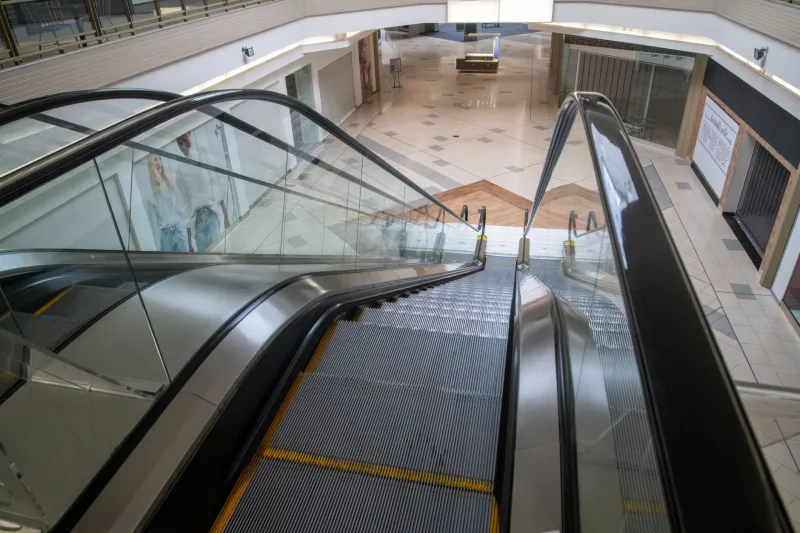
Photo: Md. Ahsanul Haque Nayem, CC BY-SA 4.0, via Wikimedia Commons
A store has aisles. A city has neighborhoods. That distinction sounds academic until you watch someone shop an everything marketplace the way they would wander a casino. They click the flashing thing, chase the countdown, add three random items to the cart, and leave feeling vaguely had. The problem is not the marketplace. The problem is the metaphor. We keep calling it a store when it behaves like a city.
ShopBazaar is a good example of the shift. It is not a tidy aisle with a checkout at the end. It is a sprawling digital bazaar with districts for home, tech, clothing, gifts, pantry goods, and the odd impulse purchase you did not know existed. That is not a flaw. It is the whole point. But a city rewards residents and punishes tourists.
The Store Metaphor Is Breaking
When you walk into a corner store, you expect a short list of things and a quick exit. When you walk into a city, you expect variety, traffic, neighborhoods you know, and neighborhoods you avoid. Online marketplaces now have all of that. They have rush hours when deals drop and servers strain. They have tourist traps where the loudest listing is not the best value. They have quiet side streets where the same product sits at a better price with a calmer return policy.
Treating the bazaar like a store makes you impatient. Treating it like a city makes you strategic.
Every Bazaar Has Tourist Traps
Tourist traps are not scams. They are just places optimized for people who will only visit once. In a marketplace, the tourist trap is the item with the biggest banner, the most dramatic discount badge, and the least useful product detail. It is the bundle that looks like a steal until you price the pieces. It is the sponsored listing that appears before the thing you actually searched for.
Residents learn to look past the neon. They check the seller, the return window, the unit price, and the review pattern. They know that a marketplace is not a single store with a single standard. It is a collection of sellers with different habits, and the district matters.
Rush Hour Is Real, Even Online
Cities have rhythms. So do marketplaces. Deal events create their own rush hours: Black Friday, back-to-school, Prime-style sales, and the pre-holiday squeeze. During those windows, prices move, inventory thins, and marketing gets louder. Sometimes the rush is worth joining. Sometimes it is better to wait until the crowd thins out.
Residents do not panic at rush hour. They plan around it. They buy boring essentials on a Tuesday. They save big-ticket comparisons for when they have time to read. They know that missing one flash sale is not a crisis if the list is still intact.
Residents Have Routes
A tourist tries to see everything. A resident has a route. In marketplace terms, that means a few trusted categories, a saved list, and a short set of filters that do the boring work for you. It means knowing which category you use for commodity goods and which one deserves a specialist. It means revisiting sellers who have earned your trust instead of restarting from zero every time.
A route also means a budget. Not a vibe. A number. Residents know what they can spend before they leave the house. Tourists find out at checkout.
The Spectacle Tax
Every city has a spectacle tax: the overpriced restaurant on the main square, the souvenir shop by the exit, the ride that costs more than it delivers. Online, the spectacle tax is the thrill of the scroll. It is the feeling that the next product might be the one. That feeling is not free. It costs attention, and attention is the currency the bazaar actually wants.
The antidote is not cynicism. It is residency. You can enjoy the spectacle without paying the tax. Look at the weird gadget. Laugh at the novelty lamp. Then go back to your list.
Hidden Shortcuts Are Everywhere
Cities reward local knowledge. Marketplaces reward a few unglamorous habits: sorting by unit price, reading the three-star reviews, checking whether shipping is included, and knowing which categories have generous returns. These are not secrets. They are shortcuts, and they are hiding in plain sight.
Another shortcut is the pause. A resident does not treat the cart as a commitment. The cart is a bench. You can sit there for a day and decide later. Tourists buy because the bus is leaving. Residents buy because the item earned it.
What Resident Shopping Looks Like in Practice
It looks like a Saturday morning with a short list and a cup of coffee. You check your saved items. You compare two sellers. You notice that the bundle is worse than buying one item alone. You skip the flashy listing and buy the plain one with the better return policy. You close the tab before lunch.
It also looks like leaving. A resident knows when the bazaar has nothing for them today. That is not a failure. That is navigation.
The City Does Not Need You to Be Afraid — Just Awake
The everything marketplace is not a villain. It is a big, busy, occasionally ridiculous place. It can be fun. It can be useful. It can even save you money. But it will not do the work of knowing what you came for.
So stop shopping like a tourist. Learn the districts. Ignore the neon. Plan the route. Treat the cart like a bench, not a slot machine. ShopBazaar is not a store with a checkout at the end. It is a city, and the best way to enjoy a city is to act like you live there.