The Mall Is Dead. Long Live the Marketplace: What We Traded Away — and What We Got Back
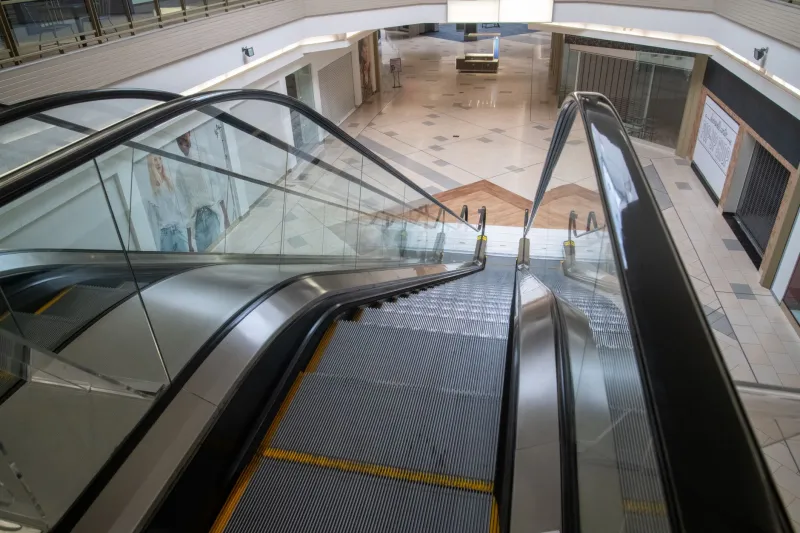
Somewhere in suburban America, there's a mall that used to be the center of everything. The food court smelled like Auntie Anne's and Orange Julius. The anchor department store had three floors. On Friday nights, the parking lot was a social event in itself. That mall is probably struggling now — maybe partially vacant, maybe converted into a fulfillment center, maybe just a little quieter than it used to be.
The American mall's decline is one of the most talked-about retail stories of the last two decades. But the conversation usually focuses on economics: foot traffic numbers, store closures, the rise of e-commerce. What gets less attention is the cultural and psychological dimension of what happened when commerce moved from a shared physical destination to an infinitely scrollable digital storefront. We didn't just change where we shop. We changed what shopping is.
What the Mall Actually Was
To understand what's been lost — and what's been gained — you have to start by being honest about what the mall was in the first place.
At its peak, the enclosed American shopping mall was simultaneously a retail environment, a community gathering space, a teenage social hub, a climate-controlled public square, and an entertainment destination. Retail historians point out that malls filled a gap in American suburban life that few other institutions addressed: they were one of the only places where people from different parts of a community reliably ended up in the same room together without a specific agenda.
"The mall was never really just about shopping," says one retail historian who has studied American consumer culture for over two decades. "It was about having somewhere to be. Suburban America didn't have town squares or plazas the way European cities did. The mall became that by default."
This matters because it means the mall's decline isn't purely a retail story. It's a story about what happens to community infrastructure when the economic activity that was quietly sustaining it migrates elsewhere.
The Digital Marketplace as Successor
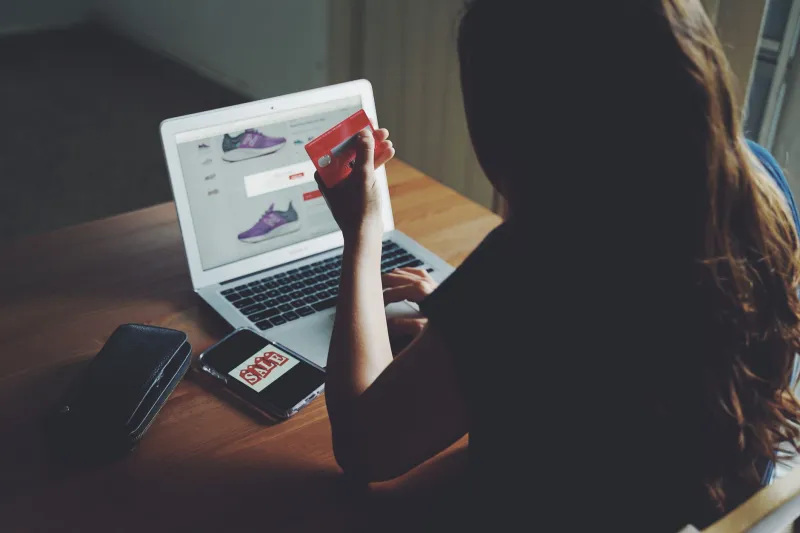
All-in-one online marketplaces didn't set out to replace the mall. They set out to make shopping more convenient, more affordable, and more accessible — and they succeeded dramatically at all three. Today, a single platform can offer millions of products across every conceivable category, available 24 hours a day, delivered to your door in days or sometimes hours. By any purely transactional measure, this is a better shopping experience than anything a physical mall could offer.
The numbers reflect it. E-commerce as a share of total US retail sales has roughly tripled over the past decade. Meanwhile, an estimated 25 percent of American malls are expected to close or be repurposed within the next several years, according to industry analysts.
But convenience and access don't capture the full picture. What the digital marketplace provides in efficiency, it trades away in something harder to quantify: the accidental social encounter, the sensory experience of a physical environment, the feeling of being somewhere rather than just doing something.
What We Actually Lost
Let's be specific, because nostalgia can distort this conversation. The mall wasn't perfect. It was often exclusionary — designed around car ownership, suburban geography, and a consumer culture that left plenty of people out. Plenty of malls were also mediocre retail environments full of stores that sold the same things.
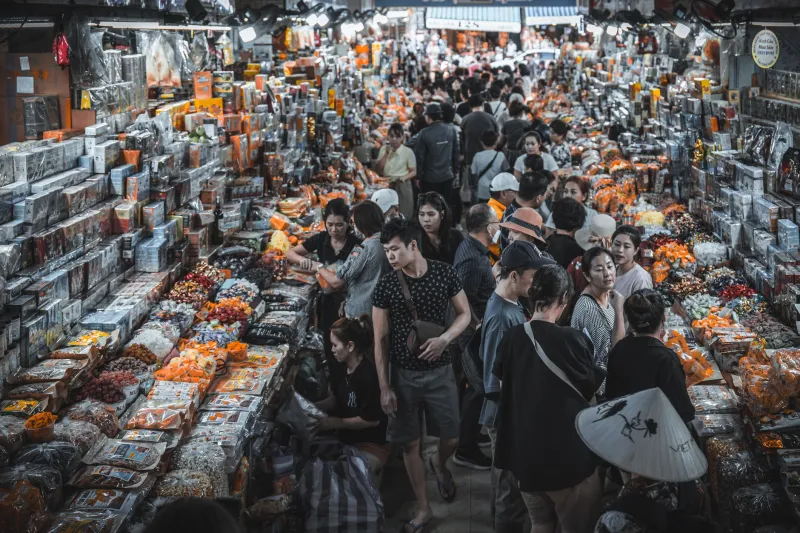
But within those limitations, the mall did something the digital marketplace genuinely cannot: it created unplanned human contact. You ran into your kid's teacher in the sporting goods store. You overheard a conversation at the food court that gave you a new perspective on something. You watched a toddler lose their mind with joy at the fountain. These micro-encounters are the texture of community life, and they happened in malls by the thousands every day.
Sociologists who study loneliness and social cohesion in America point to the erosion of "third places" — spaces that are neither home nor work — as a significant contributor to rising isolation rates. The mall, for all its commercial intent, functioned as a third place for millions of Americans. Its replacement with a digital experience that is solitary by design is not a neutral trade.
"Shopping online is something you do alone, even when you're physically surrounded by people," notes one sociologist who studies consumer behavior and community formation. "The shared experience is gone. You're not in the same space as anyone else. You're in your own algorithmically curated universe."
What We Gained — And It's Real
Fairness requires acknowledging the genuine wins of the digital marketplace era, and they're substantial.
Access is the big one. Before all-in-one online platforms, where you lived determined what you could buy. Rural shoppers, people without reliable transportation, and those in lower-income areas with fewer retail options had dramatically constrained access to the same products that urban and suburban consumers took for granted. The digital marketplace leveled that playing field in ways that are genuinely meaningful.
Price competition is another real gain. The transparency of online pricing, the ability to compare across sellers instantly, and the competitive pressure that large marketplaces create have driven prices down across countless product categories. American consumers are getting more for their money than they were in the mall era.
And time — the most finite resource — is returned to shoppers who no longer need to drive, park, walk, and wait in line to make a purchase. That time goes somewhere else, ideally somewhere more meaningful than a trip to a mid-tier department store.
The Hybrid Future
What's emerging in American retail isn't a clean victory for digital over physical. It's a more complicated negotiation. Physical retail is reinventing itself around experiences that a website can't replicate: fitness studios, dining concepts, interactive brand showrooms, community events. The malls that are surviving are the ones that leaned into this shift hardest.
Meanwhile, digital marketplaces are experimenting with ways to inject some of the social and discovery elements of physical retail into the online experience — live shopping streams, community review features, curated editorial content.
The all-in-one digital marketplace has permanently changed the baseline of American shopping. That's not going away. But the human need for shared physical spaces, for accidental encounters, for somewhere to simply be — that's not going away either. The story of what replaces the mall isn't finished being written.